
Building a home is an incredible experience, but it also comes with surprises. As a designer, I hear the same thing again and again:
“We thought we had budgeted for everything… until we didn’t.”
Most first-time home builders plan for the cost of construction and materials. However, there are many additional expenses that aren’t always obvious until you’re in the middle of the process. Understanding these early helps you make informed decisions, reduce stress, and set yourself up for a smoother experience from start to finish.
Below are the most commonly overlooked costs and why they matter.
1. Builder Fees and Contract Types
Before you sign anything, it’s essential to understand how your builder charges.
Most builders use one of two models:
• Fixed-Price Contract
You agree on a set amount for the entire build. Any changes or additions typically trigger a “change order” with added fees.
• Cost-Plus Contract
You pay the actual construction cost plus a builder’s fee, often 20 to 30 percent. This method can work well for custom builds, but only if you’re clear on what counts as “out of scope.”
Tip: Ask your builder to walk you through an example invoice so you can see how fees are applied.
2. Land Prep: Clearing, Excavation, and Grading
Purchasing a piece of land is only the beginning. Preparing it for building can be a significant expense, especially on wooded or sloped lots.
This category includes:
- Clearing trees and brush
- Excavation and grading
- Dirt work and soil stabilization
- Temporary construction access or driveway cut-ins
These items often fall outside the original builder’s estimate and can dramatically affect your upfront budget.
3. Utility Connections and Infrastructure
Not all properties are ready to connect to utilities. Some lots require extended trenching, new lines, or additional equipment to access water, gas, sewer, or power.
You may need:
- Water or sewer tie-ins
- Septic design and installation
- Electrical service extension
- Gas line or propane tank installation
- Internet or fiber trenching
These costs vary widely based on location and the property itself.
4. Driveways, Walkways, Retaining Walls, and Drainage
Many builders include only minimal exterior work. Anything beyond a basic gravel drive or a simple concrete pad is considered an upgrade.
Common unexpected costs include:
- Driveways
- Sidewalks and entry paths
- Patios and outdoor living areas
- Retaining walls
- Drainage solutions such as French drains
If your lot has slope or water-flow issues, this category can increase rapidly.
5. Closing Costs
Closing costs can be difficult to estimate early in the process, which is why they are often forgotten. Your builder and lender can help you understand what to expect, but plan for:
- Title fees
- Appraisals
- Inspections
- Loan origination
- Prepaids and escrows
It’s better to overestimate these expenses than be surprised later.
6. Moving Costs
Whether you are moving across town or across the country, moving expenses vary based on distance and service level.
Options include:
- Full-service packing and moving
- Partial packing
- Transport-only movers
- Portable containers
- DIY truck rentals
If your move includes storage between homes, plan for that as well.
7. Lighting Beyond the Builder’s Basic Package
Lighting allowances are another commonly underestimated category.
Builders usually include:
- Basic flush mounts
- Standard vanity lights
- Minimal exterior fixtures
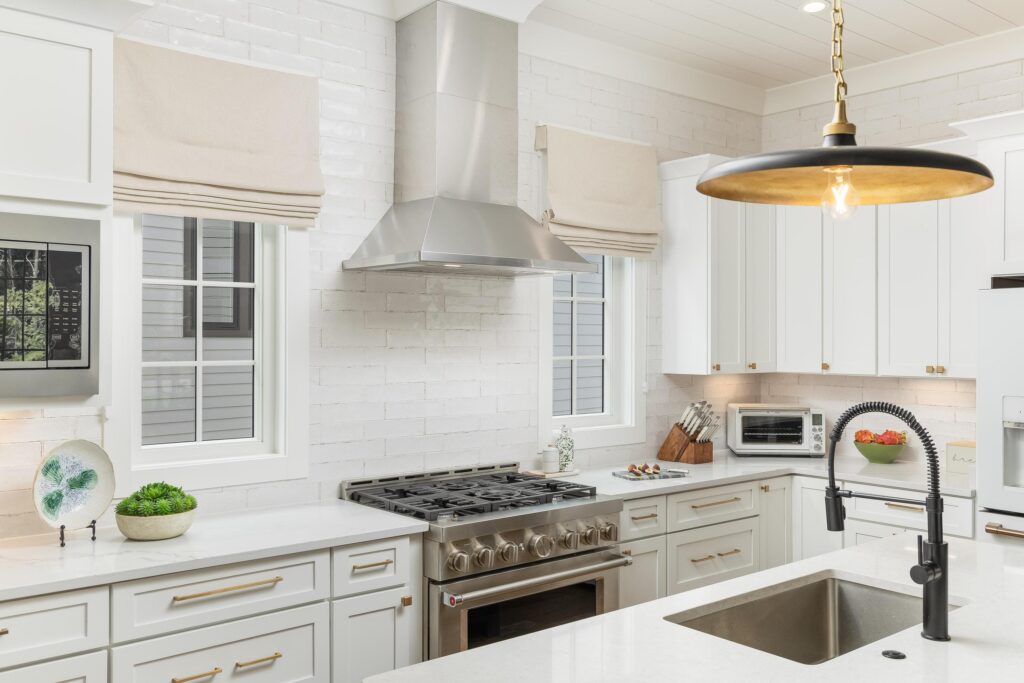
Anything decorative, such as pendants, sconces, chandeliers, stairway lighting, or under-cabinet lighting, is an upgrade. The electrical wiring for these features must also be planned early.
8. Appliances
Depending on the builder, you may receive a minimal appliance package or none at all.
Upgraded appliances such as:
- Panel-ready refrigerators
- 48-inch ranges
- Steam ovens
- Beverage centers
- Ice makers
are often purchased outside the builder’s allowance.
9. Closet Systems
Most builders provide a simple wire shelf. Once you move in, you may want more functional, attractive storage in your:
- Primary closet
- Kids’ rooms
- Pantry
- Mudroom
Custom closet systems range from modest upgrades to more significant investments and greatly improve daily living.
10. Tile, Showers, and Bathroom Upgrades
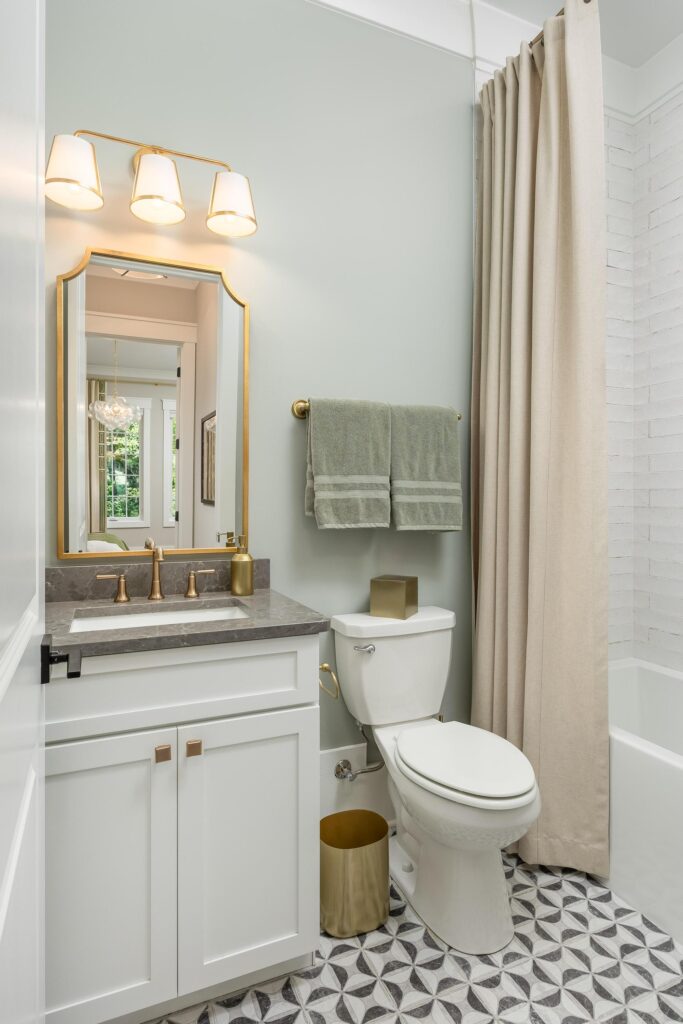
The phrase “tile is included” rarely covers the details clients want.
Plan for additions such as:
- Shower niches
- Benches
- Accent walls
- Larger format tile
- Mitered corners
- Custom patterns
These design elements create a more elevated bathroom, but increase labor and material costs.
11. HVAC and Ventilation Upgrades
For larger or multi-story homes, one HVAC unit may not be enough. You may need:
- Additional zones
- Whole-home dehumidification
- Enhanced filtration
- Bathroom fan upgrades
- Smart thermostats
These features improve comfort and air quality.
12. Septic Systems and Perk Tests
If your property requires a septic system, budget for:
- Perk testing
- Septic design
- Installation
- Ongoing maintenance
These expenses often surprise buyers accustomed to city sewer connections.
13. Allowance Overages
Allowances are commonly set too low compared to what clients actually want. This leads to overages in categories such as:
- Tile
- Counters
- Lighting
- Plumbing fixtures
- Flooring
- Cabinetry
A designer can help set realistic allowances early and prevent mid-build frustration.
14. Home Technology and Low Voltage Wiring
Most builders include minimal low-voltage wiring. Plan ahead for:
- Security systems
- Cameras
- Smart home controls
- In-ceiling speakers
- Media rooms
- Hardwired internet access
- Networking closets
Retrofitting technology after construction is far more expensive.
15. Final Cleaning and Post-Construction Touches
A professional post-construction clean is essential and is usually billed separately. Window cleaning, dust removal, and debris cleanup are part of this stage.
16. Window Coverings
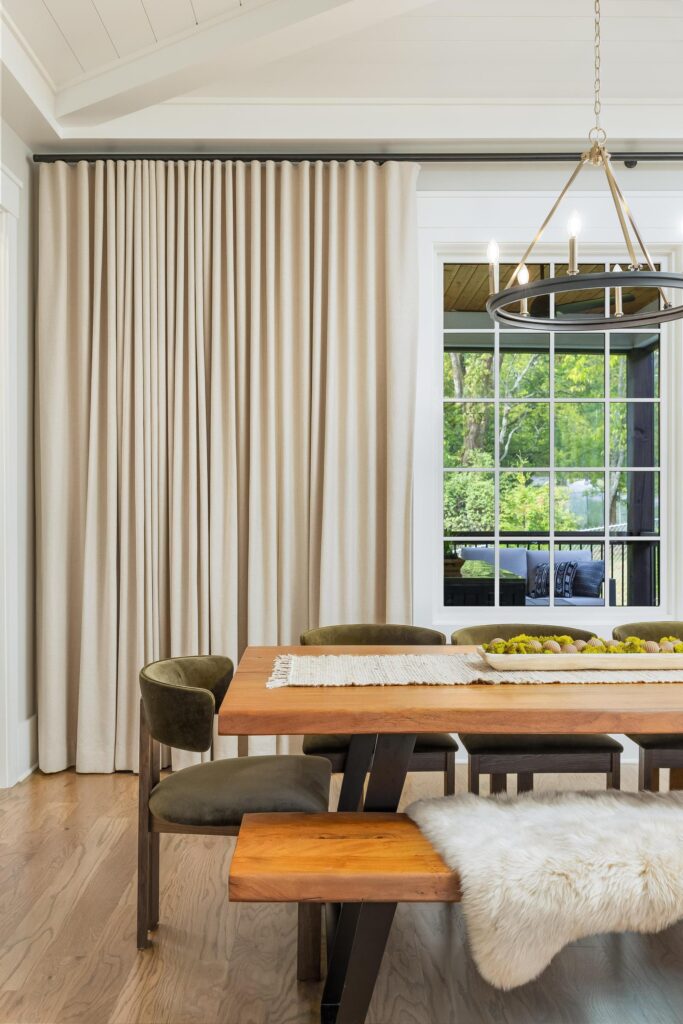
Window treatments provide privacy, light control, and the finishing layer that makes a home feel livable from day one. Consider planning for:
- Shutters
- Woven woods
- Drapery panels
- Layered window treatments
Your first few nights in a new home are much more comfortable when your windows are covered.
17. Furnishings and Decor
This is an area where many clients express regret. They invest heavily in the build and forget to plan for the furniture that completes the home.
Consider:
- New layouts that need new pieces
- Rooms you didn’t have in your previous home
- Scale differences in new construction
- Rugs, lighting, pillows, drapery, and styling layers
Furniture can be phased, but planning ahead ensures your home feels intentional rather than empty.
A well-planned home build is more than walls, windows, and finishes. It is about creating a home that supports your lifestyle from the beginning. Understanding these often-overlooked costs early allows you to make confident decisions and maintain your vision and your budget.
If you would like help planning your build, setting realistic allowances, or understanding how your selections affect the full investment, I would love to guide you through the process.
Inquire with us to learn how we can help you through your renovation.