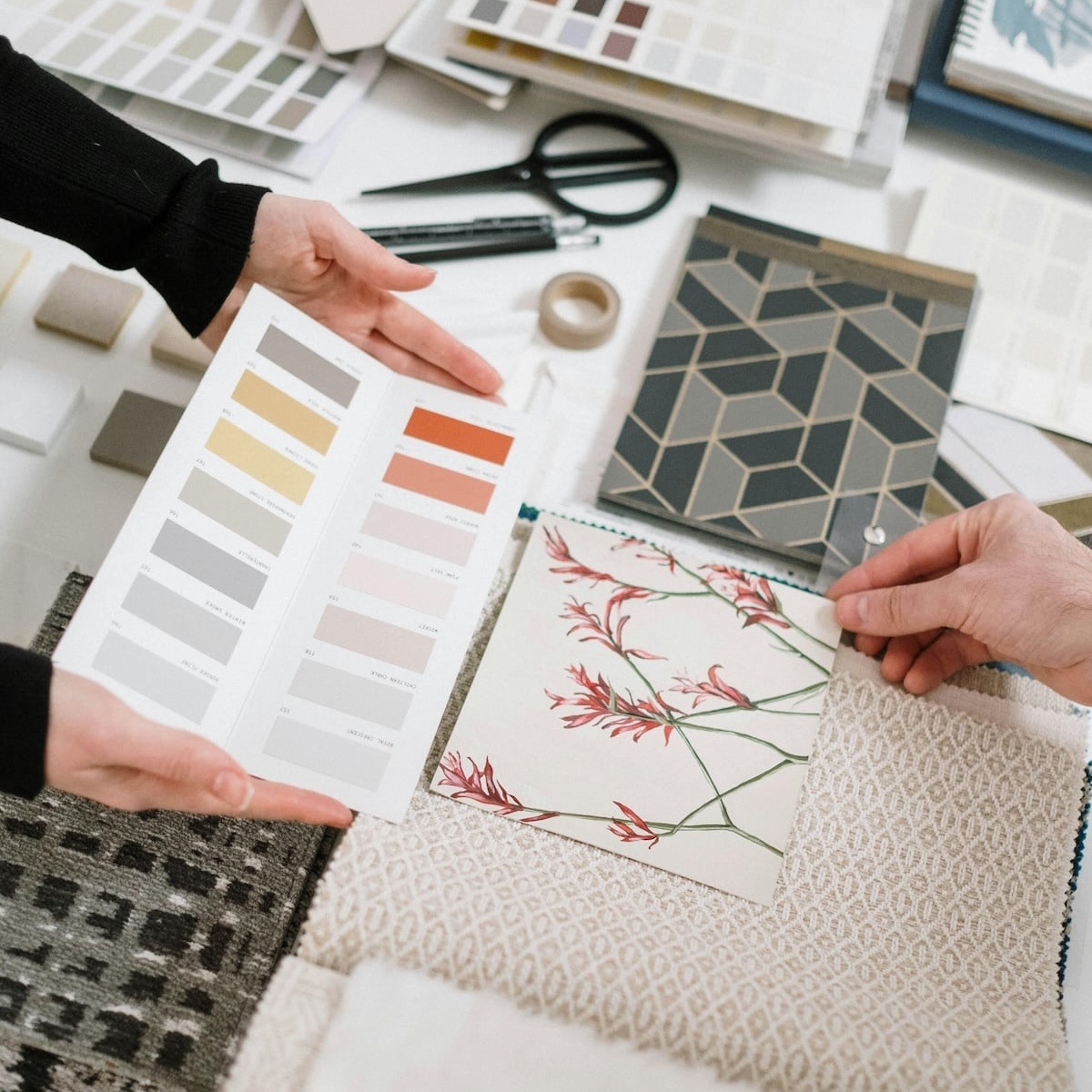
Renovations have a funny way of starting with “We just want to update this one room” and ending with a wish list that includes custom cabinetry, new flooring, better lighting, more storage, beautiful finishes, and possibly moving a wall or two.
Maybe you’re dreaming of a bathroom that feels more like a retreat and less like a daily obstacle course. Maybe your laundry room needs to do more than house a washer, dryer, and the mountain of clothes nobody wants to fold. Or maybe you’re finally ready to tackle several spaces that haven’t worked for your family in years.
The problem isn’t having a long renovation wish list. Dream big. Save the inspiration photos. Tell me about the gorgeous tile you’ve been quietly stalking online.
The important part is knowing what to prioritize during a renovation, because not every decision carries the same weight, and not everything has to happen right now.
A good renovation plan separates what’s difficult, disruptive, or expensive to change later from what can evolve with your home over time.
And no, “I love it” is unfortunately not the entire prioritization system.
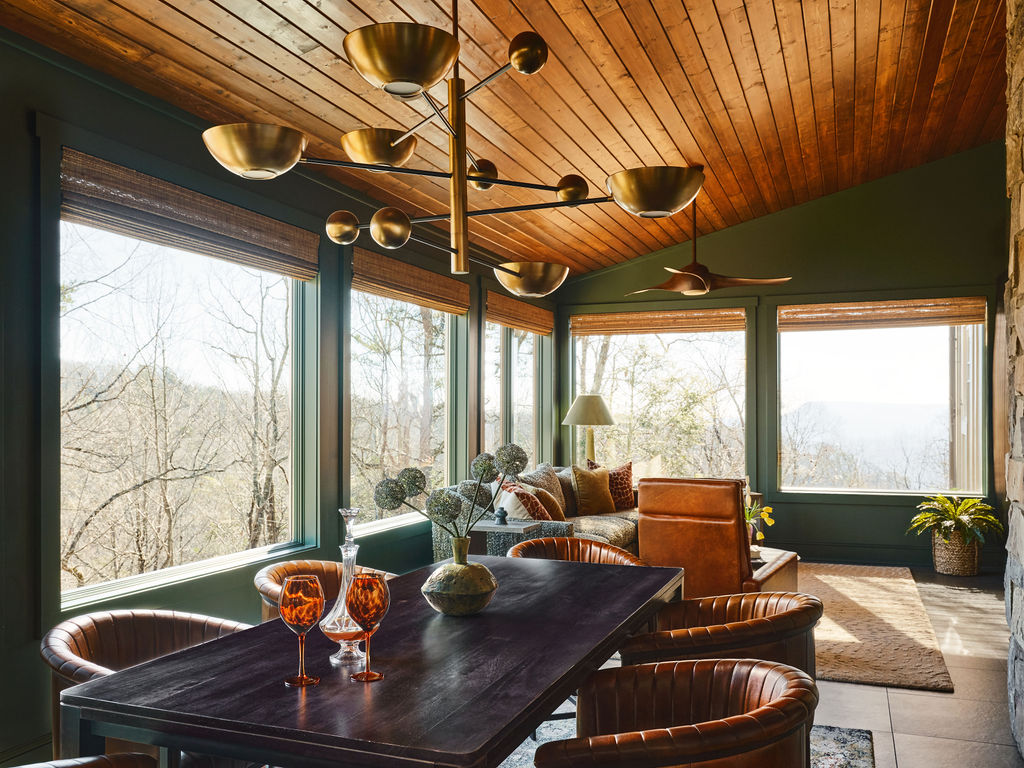
1. Start With How You Actually Live
Before we start picking tile, countertops, cabinetry, or the very pretty light fixture currently occupying 14 tabs in your browser, we need to talk about your life.
What isn’t working in your home right now?
Maybe your bathroom has zero useful storage, and you’re tired of playing Tetris with your toiletries. Maybe your laundry room doubles as a mudroom, but nobody has anywhere to put their shoes. Maybe your living room looks great on paper but has terrible traffic flow, or your kitchen becomes a contact sport every time two people try to cook.
These everyday frustrations should be near the top of your home renovation wish list.
When I work with clients, I want to know the unglamorous stuff: where clutter collects, how you move through your home, what you use every day, what you wish you had more space for, and what makes you mutter things under your breath.
That information tells me far more about what your renovation needs than a Pinterest board ever could.
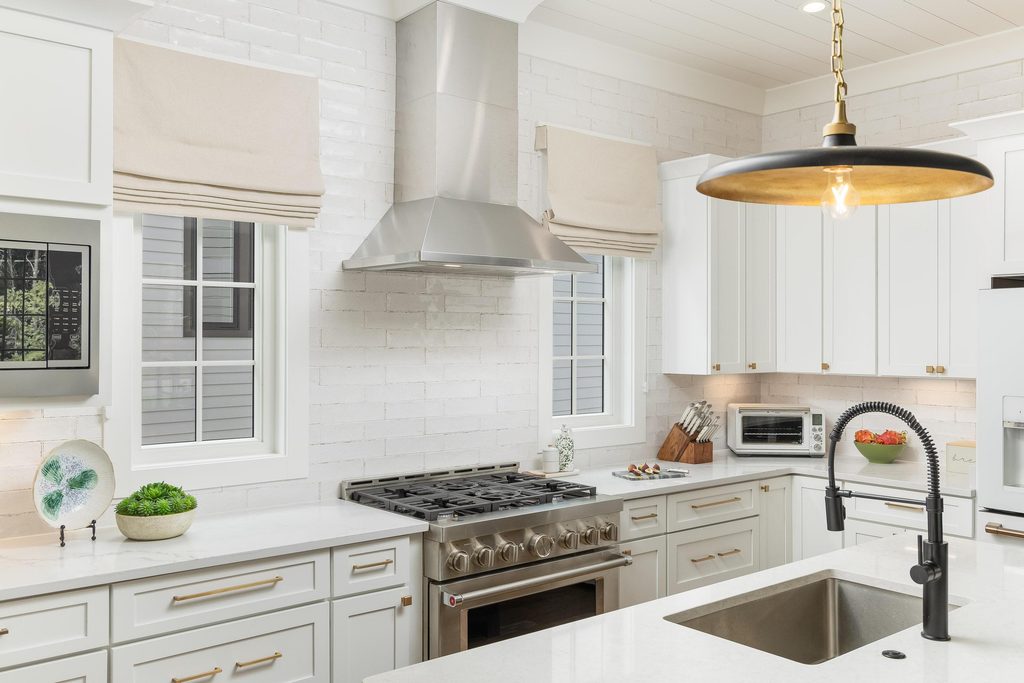
2. Prioritize the Hard Things to Change Later
This is one of the biggest rules of renovation planning.
If changing something later means opening walls, moving plumbing, rewiring electrical, ripping out cabinetry, or tearing up flooring, we should probably talk about it now.
Think about:
- Plumbing and electrical locations
- Kitchen and bathroom layouts
- Cabinetry
- Flooring
- Lighting locations
- Doorways and clearances
- Structural changes
- Built-in storage
These decisions aren’t necessarily the most exciting line items in your renovation budget, but they create the foundation for everything else.
You can buy a different lamp in five years. Moving the kitchen sink after your beautiful new countertops have been installed? Slightly more involved.
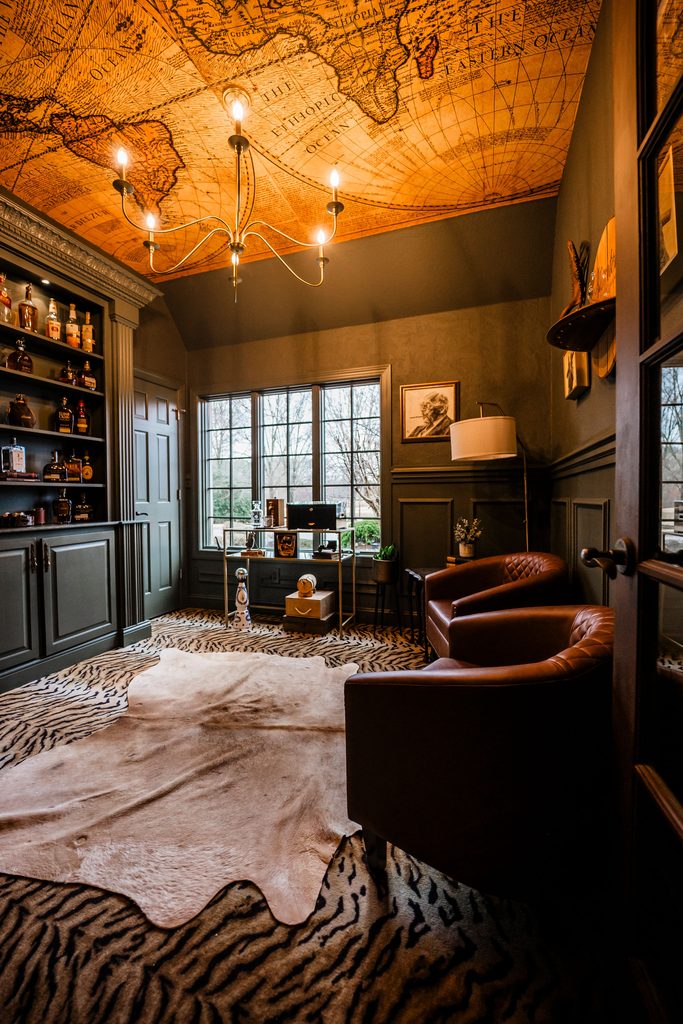
3. Spend Money Where It Solves a Real Problem
When the budget inevitably meets the wish list, and they stare each other down from opposite sides of the room, I like to ask a simple question:
What problem is this solving?
Custom cabinetry that gives your laundry room the storage it’s desperately missing? Probably worth discussing.
Reconfiguring a bathroom so the shower is easier to access and the layout actually makes sense? Money well spent.
Improving the lighting in a room that’s been dark and frustrating for years? Absolutely worth considering.
Replacing something perfectly functional because you saw a prettier version at 11:47 p.m. on Instagram?
We may need to sleep on that one.
A thoughtful home renovation budget isn’t about choosing the cheapest option everywhere. It’s about directing your money toward the decisions that will make the biggest difference in how your home looks, functions, and feels.
4. Think About Future You, Too
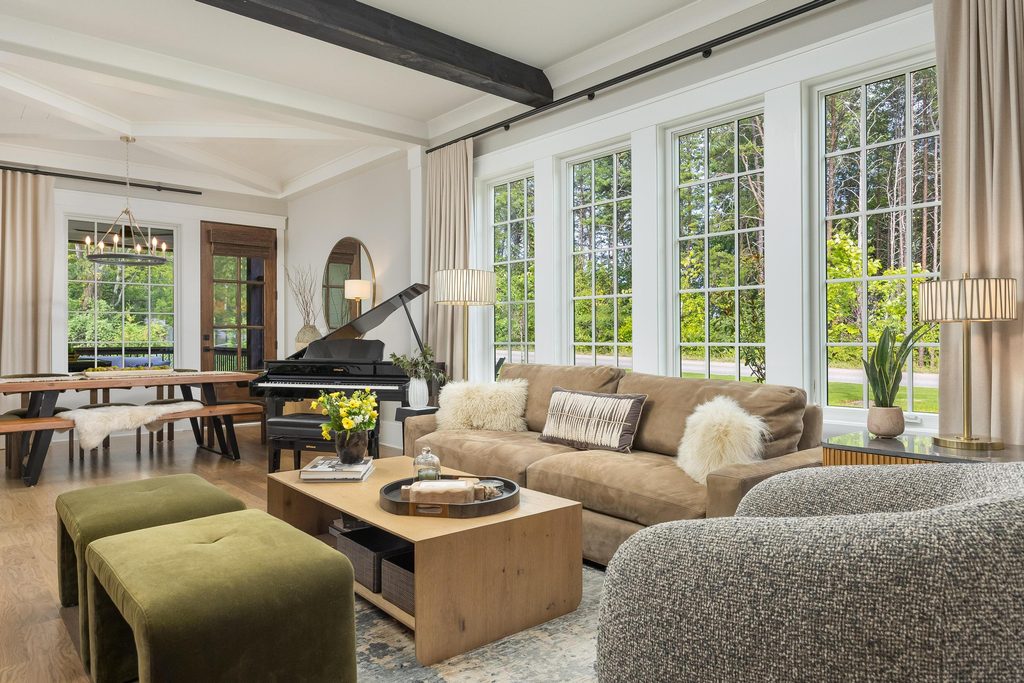
You’re renovating for how you live today, but ideally, we won’t have to do all this again in five years.
During a major renovation, I encourage clients to think about what life might look like down the road.
Will children get older and need the spaces differently? Are aging parents likely to visit or live with you? Do you want to stay in this home long-term? Would wider clearances, better lighting, a curbless shower, or thoughtful storage make the house easier to use later?
Good design can quietly prepare a home for what’s next without making it look like you’re preparing for what’s next. That distinction matters.
5. Know What Can Wait
Here’s the good news: your house does not have to be completely finished the second construction ends.
Some things can, and should, evolve.
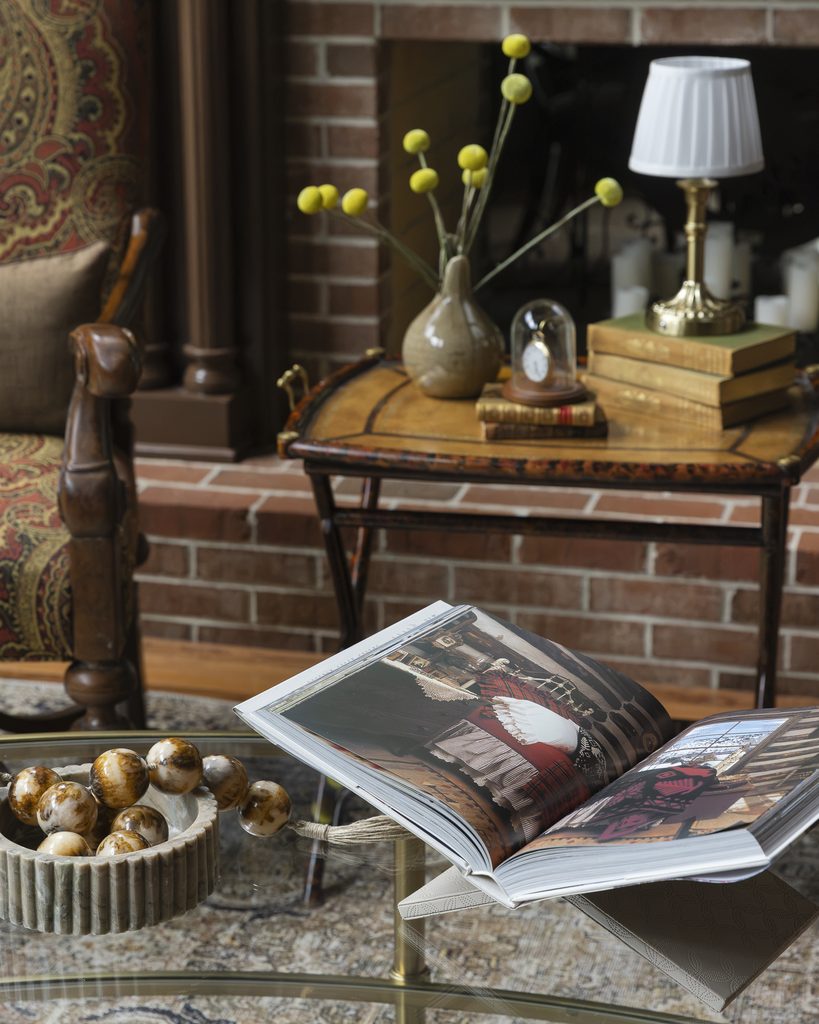
Art can be collected. Accessories can come later. A beautiful antique might show up when you least expect it. You can upgrade a side table. You can add another layer to a room once you’ve lived with it for a while.
In fact, I’d rather leave space for the right piece than buy something mediocre because an empty corner made everyone nervous. Not every blank wall is an emergency.
When prioritizing a renovation, spend your time and budget getting the bones right first. The layers that are easier to change can follow.
6. Stop Looking at Every Decision Individually
This is where renovation wish lists can get people into trouble.
You love this tile.
And this countertop.
And this cabinet color.
And this flooring.
Wonderful. Do they love each other?
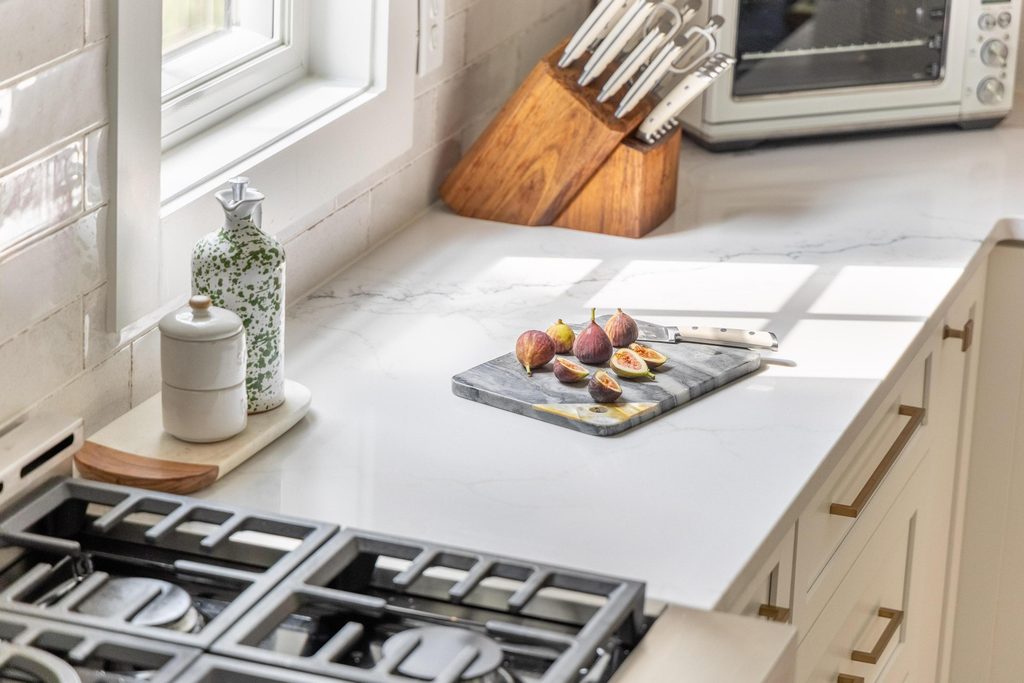
Every renovation decision affects another, no matter which room you’re renovating. In a bathroom, tile selections can influence shower details, waterproofing plans, and installation. In a laundry room, appliance dimensions affect cabinetry and counter space. In a living room, furniture placement influences lighting, outlets, and traffic flow.
This is one reason working with a full-service interior designer from the start can make such a difference. We’re not just looking at whether an individual selection is pretty. We’re looking several decisions ahead to make sure the entire space works together. Because a renovation is essentially one very large group project, and unfortunately, the countertop cannot communicate with the backsplash on its own.
Your Renovation Wish List Needs an Order, Not a Red Pen
Prioritizing doesn’t mean giving up everything you want.
It means figuring out what needs to happen now, what will have the greatest impact, and what can evolve later.
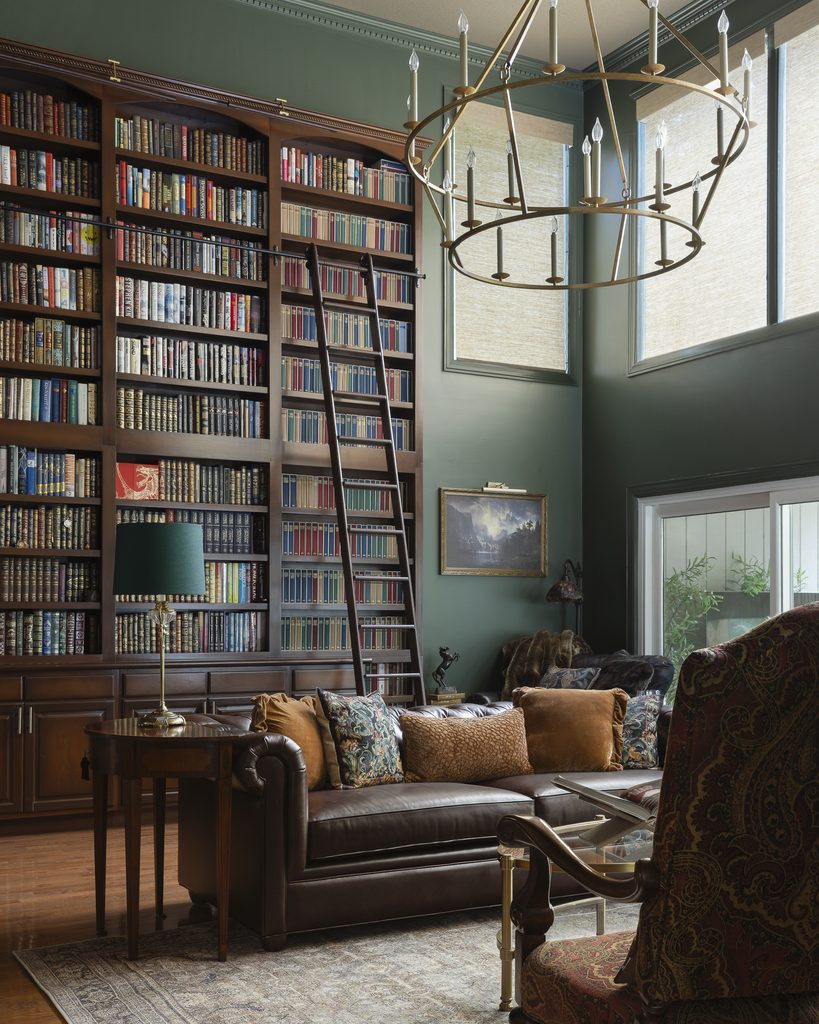
Get the layout right. Solve the functional problems. Make the decisions that would be expensive to undo. Invest where it matters. Then give yourself permission to let the rest of the home develop over time.
That’s how you end up with a renovation that isn’t just beautiful on installation day; it actually makes sense for the way you live. And preferably doesn’t leave you saying, “I wish we had thought about that before they closed the wall.”
If you’re planning a renovation or new build in Chattanooga, Atlanta, Nashville, or beyond, Dana Faler Interiors can help you sort through the wish list, prioritize decisions, and manage the details from start to installation. You can start with the inquiry form.