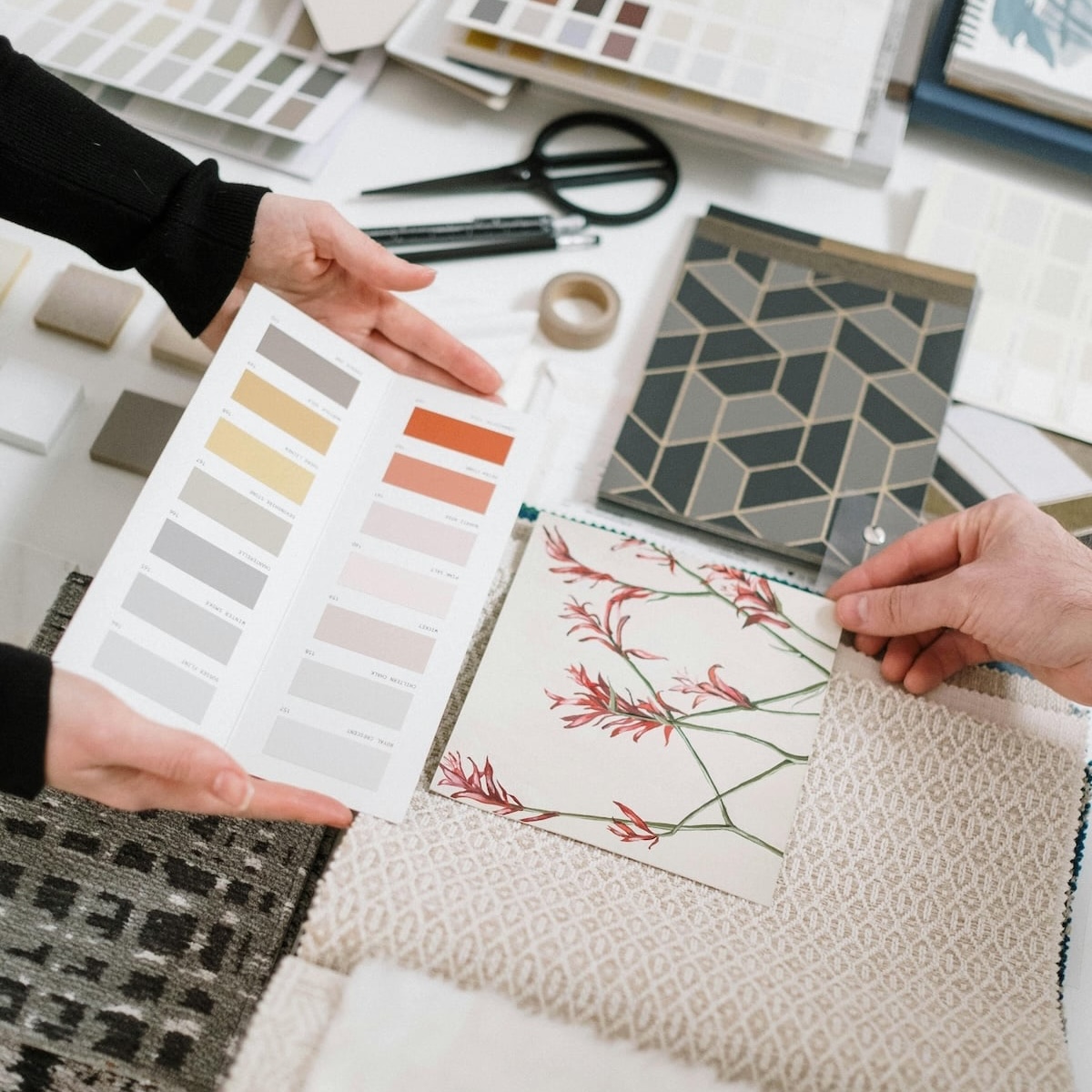
Renovating your home sounds exciting until someone asks you to choose between six nearly identical shades of white, three countertop materials, four plumbing finishes, and various different cabinet pulls. And they’d like your answers by Thursday.
Welcome to renovation decision fatigue.
One of the things that surprises homeowners most about a renovation isn’t necessarily the construction, the dust, or the occasional unexpected discovery behind a wall. It’s the sheer number of decisions you have to make along the way.
Some are exciting. Others are about as glamorous as deciding where an electrical outlet should go. But they all matter.
The good news is that making confident decisions during a renovation doesn’t mean you need to know everything about interior design. It means having a clear plan, understanding your priorities, and knowing which decisions need your attention and when.
Here’s how to make the renovation process feel a little less overwhelming and a lot more manageable.
1. Understand Why Renovation Decision Fatigue Happens
Let’s start with something I tell clients: you’re not supposed to know how to make every decision involved in renovating a home.
That’s why people like me have jobs.
A home renovation involves hundreds of decisions, and many of them are connected in ways you might not realize.
Your cabinet layout affects your appliance selections. Your furniture placement influences your lighting plan. Your flooring transitions affect door clearances. And that beautiful tile you’ve been admiring? It may have installation requirements that influence several other details.
It’s not just about choosing what you like. It’s about understanding how each choice affects the overall project.
Renovation decision fatigue happens when you’re constantly being asked to evaluate options, weigh costs, consider timelines, and make choices without always having the information you need.
Eventually, even choosing a bathroom towel hook can feel like a major life decision.
The solution isn’t to make fewer thoughtful decisions. It’s to create a process that makes those decisions easier.
2. Get Clear on Your Priorities Before Making Selections
Before you start choosing finishes, fixtures, or furnishings, take some time to think about what you actually want your renovation to accomplish. And I don’t just mean how you want the finished space to look.
Ask yourself:
- What’s currently frustrating you about the space?
- What needs to function better?
- What are your absolute must-haves?
- Where are you willing to be flexible?
- How do you want the space to support your lifestyle five or ten years from now?
Maybe your kitchen needs better storage and room for two people to cook without bumping elbows. Maybe your bathroom needs a more functional layout. Or perhaps your living room needs to accommodate family gatherings without everyone fighting over the one comfortable chair.
These priorities become your guide when you’re faced with difficult decisions.
For example, if storage is a major priority, investing in well-planned cabinetry may be more valuable than splurging on an elaborate decorative feature.
That doesn’t mean you can’t have beautiful things. It just means the beautiful things should work with your goals, not distract you from them. The more clearly you understand your priorities, the easier it becomes to recognize which choices deserve your investment.
3. Make Decisions in the Right Order
Here’s something that can save you a tremendous amount of frustration during a renovation: not every decision should be made at the same time. And the order matters.
One of the biggest parts of successful renovation planning is understanding which selections need to happen first and how those decisions influence everything that follows.
Take a kitchen renovation, for example. I recommend starting with appliance selections. Refrigerators, ranges, and other appliances often come in limited sizes, while cabinetry can be designed and adjusted to accommodate them.
Once we know which appliances we’re working with, we can finalize the layout, making sure everything functions properly and there’s enough room to move comfortably through the space. From there, we can focus on countertop selections, cabinetry styles, and finishes that bring the overall design together.
The same principle applies throughout your home. In a bathroom, plumbing fixtures and their installation requirements can influence the layout and cabinetry. In a laundry room, washer and dryer dimensions affect storage, counter space, and cabinetry configurations.
The goal is to make decisions in an order that supports the next step, rather than having to go backward and redo something that’s already been decided.
This doesn’t mean every renovation follows the exact same sequence, but having a thoughtful interior design process helps prevent expensive changes, unnecessary delays, and those lovely moments when everyone realizes a decision should have been made three weeks ago.
My favorite kind of surprise during a renovation is finding the perfect antique and not discovering that the refrigerator doesn’t fit.
4. Stop Looking at Every Option Available
I’m going to say something that may be unpopular.
You do not need to see every possible option before making a decision.
I know. Deeply upsetting news for those of us who enjoy a good research rabbit hole. But having more options doesn’t necessarily lead to better decisions.
In fact, one of the fastest ways to become overwhelmed during a home renovation is to keep searching long after you’ve found something that meets your needs.
You find a beautiful tile. It works with the design, fits the budget, and checks all the boxes.
Then you decide to look at just a few more.
Suddenly, it’s midnight, you have an insane amount of browser tabs open, and you’re questioning a decision you felt perfectly good about six hours earlier.
This is where working with an experienced interior designer makes a difference.
Rather than presenting endless options, I narrow down selections based on your style, priorities, budget, and the overall design direction.
You’re still involved in the decisions that matter, but you’re not spending your weekends comparing numerous nearly identical faucets.
A curated selection of good options is far more useful than an overwhelming collection of possibilities.
5. Think About the Entire Room, Not Just One Selection
A beautiful material isn’t necessarily the right material for your project.
I know that gorgeous marble slab might have stolen your heart. But before we commit, we need to consider how it works with the cabinetry, flooring, lighting, and other finishes.
Every selection is part of a larger design. And sometimes, the thing you love most on its own isn’t what makes the entire room look its best.
When you’re making interior design decisions during a renovation, try to evaluate choices in context.
Consider how materials relate to one another, how colors look under the actual lighting conditions, and how different finishes will function in everyday life.
This is why I don’t recommend making major design decisions based on a single inspiration photo.
A room you love online may have completely different natural light, proportions, architecture, and materials than your own home.
The goal isn’t to recreate someone else’s space. It’s to create a cohesive design that works for yours.
And occasionally, that means I have to be the person who gently explains why your five favorite materials shouldn’t all be invited to the same party.
6. Understand the Difference Between a Big Decision and a Small One
Not every renovation decision deserves the same amount of time, energy, or anxiety.
Some choices have significant consequences for your budget, construction schedule, and the long-term functionality of your home. Others are relatively easy to change.
Moving plumbing after construction has begun? Big decision.
Choosing between two decorative pillows? Not quite the same level of urgency.
When you’re feeling overwhelmed, ask yourself three questions:
How difficult would this be to change later?
How much does this affect the overall design or functionality?
What happens if I wait to decide?
These questions help you determine where to focus your attention.
Major layout decisions, cabinetry configurations, lighting locations, and permanent finishes deserve careful consideration because changing them later can be expensive and disruptive. Decorative accessories, artwork, and other finishing touches often allow more flexibility.
Give the important decisions the attention they deserve. And give yourself permission not to overthink every single detail.
The guest bathroom towel hook does not need its own committee meeting.
7. Communicate Your Concerns Before They Become Problems
One of the best ways to feel more confident during a renovation is to communicate openly throughout the process.
If you’re unsure about a selection, ask questions.
If something doesn’t feel right, say so.
And if you don’t understand why a particular recommendation is being made, you should feel comfortable asking for an explanation.
I would much rather have a conversation about a concern during the design phase than discover it after everything has been ordered or installed.
This is especially important when multiple people are involved in making decisions.
If you and your spouse have very different opinions about a major design choice, it’s better to work through that early rather than waiting until the contractor needs an answer.
A good full-service interior design process creates opportunities for these conversations before decisions become urgent. It also helps to establish who has final approval, how decisions will be documented, and when responses are needed to keep the project moving.
Clear communication doesn’t eliminate every challenge, but it makes the entire renovation experience much more manageable.
8. Trust the Plan (And Know When to Stop Second-Guessing)
At some point, you have to make the decision and move forward.
This can be surprisingly difficult, especially when you’re investing significant time and money into your home. But here’s something worth remembering: confidence doesn’t mean you’ll never question a choice. It means you understand why the choice was made and trust the thought process behind it.
When selections have been carefully considered in relation to your goals, budget, lifestyle, and overall design, there’s a reason they’re part of the plan.
That doesn’t mean you should ignore legitimate concerns or new information. Renovations sometimes require adjustments.
But there’s a difference between responding to a real issue and reopening a decision because you saw something different on Instagram last night.
At Dana Faler Interiors, I want clients to feel informed and involved without carrying the weight of every detail themselves.
My job is to anticipate how decisions affect one another, guide you through the options, coordinate the moving parts, and help you move forward with confidence.
Because you hired a designer to make this process easier. Not to acquire a second full-time job managing your own renovation.
A More Confident Renovation Starts With a Better Process
Renovating your home should be an exciting investment in how you live, not an endless series of decisions that leave you wondering why you started.
The key to avoiding renovation decision fatigue isn’t having all the answers from day one.
It’s understanding your priorities, making decisions in the right order, considering how everything works together, and having someone experienced to guide you through the process.
You don’t need to become an expert in cabinetry, lighting, construction details, and upholstery to create a beautiful home. You just need the right team.
At Dana Faler Interiors, we offer full-service interior design for renovations and new construction in Chattanooga, Tennessee, and beyond. Our thoughtful, hands-on approach simplifies the process, removes the guesswork from tough decisions, and creates homes that work beautifully for the people who live in them.
If you’re planning a renovation and would rather spend your evenings enjoying your home than researching cabinet hinges, I’d love to hear about your project. You can start with the inquiry form.